


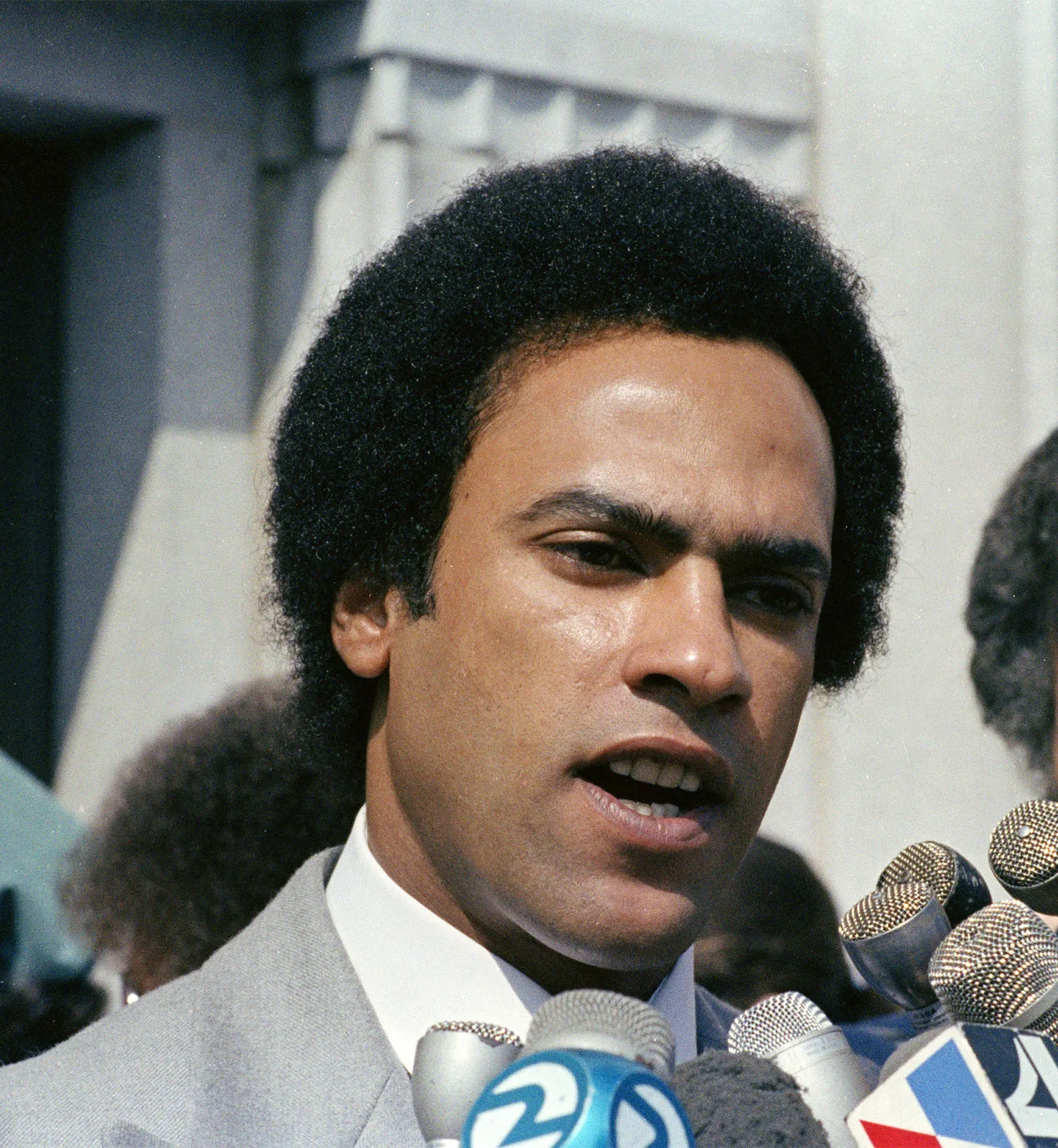
Huey P. Newton, born February 17, 1942, in Monroe, Louisiana, stands as one of the most influential and complex figures in the modern struggle for Black liberation and social justice. Remembered as a visionary activist and revolutionary thinker, Newton’s life and work reflected an unrelenting challenge to systemic racism, state violence, and economic inequality in America. As Isabel Wilkerson notes in The Warmth of Other Suns, Newton was a “son of the Great Migration,” born to sharecroppers Walter and Armelia Newton before his family fled the racial terror of the South for Oakland, California, after his father narrowly escaped lynching. That legacy of survival, resistance, and displacement shaped Newton’s political consciousness and fueled his determination to confront white supremacy head-on. In 1966, alongside Bobby Seale, he co-founded the Black Panther Party, inspired by the radical political philosophies of leaders such as Stokely Carmichael and grounded in a platform that demanded self-determination, quality housing, health care, education, and full employment for Black communities. Far more than a protest organization, the Panthers created tangible programs—feeding the hungry, educating children, and providing health services—that modeled what community empowerment could look like in practice. While the party became widely known for its insistence on the right of African Americans to defend themselves against violence, Newton’s deeper legacy lies in his belief in the collective power of the people. His assertion that “the walls, the bars, the guns and the guards can never encircle or hold down the idea of the people” continues to echo across generations, reminding us that liberation is rooted not only in resistance, but in imagination, solidarity, and the unwavering pursuit of justice.
Huey P. Newton Legacy
Share.