


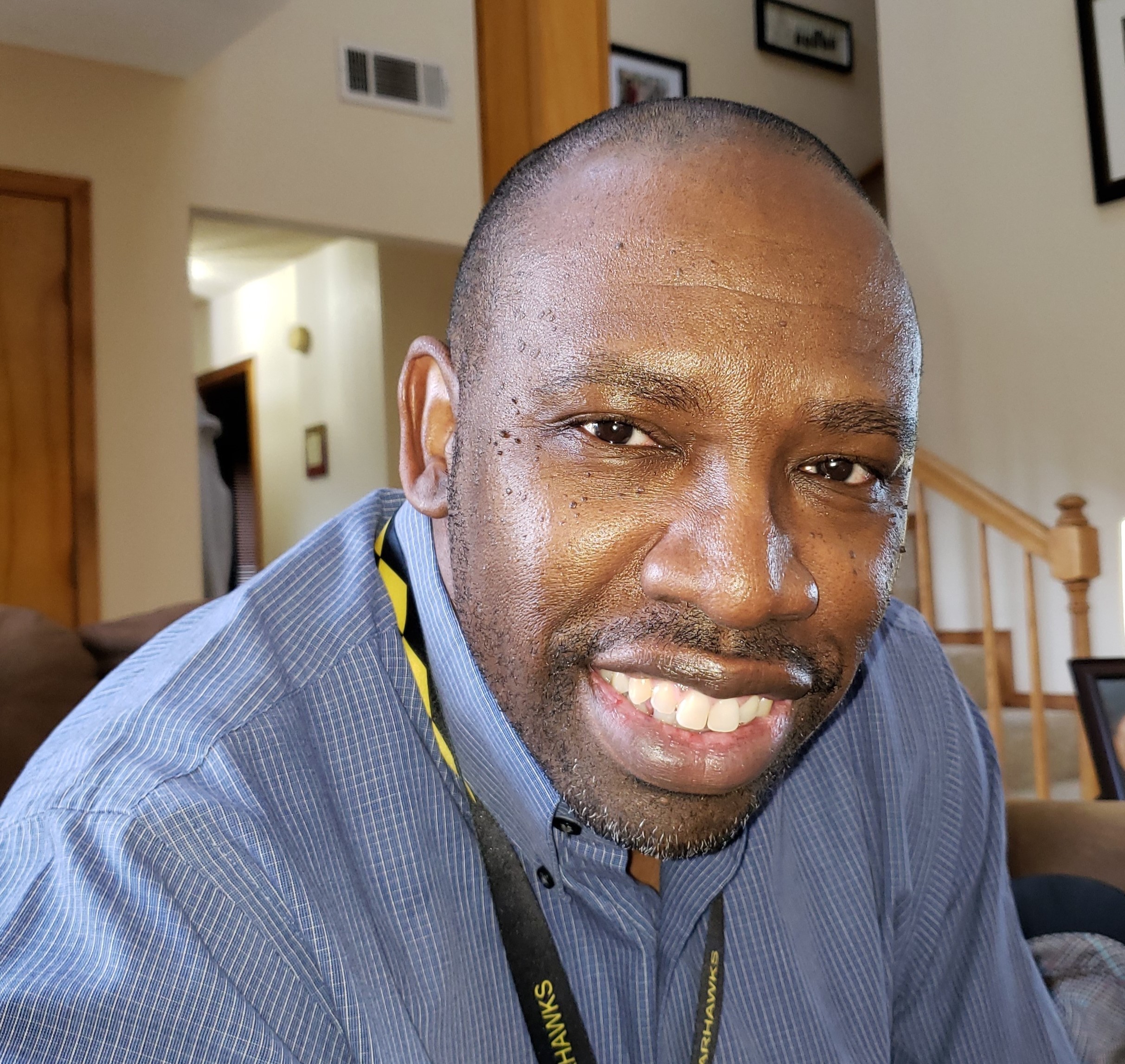
Alex’s story begins in the small town of Columbia, Louisiana, about 30 miles south of Monroe, a place where opportunities were limited but values like hard work, discipline, and perseverance were ingrained early. Like many teenagers from tight-knit rural communities, Alex started working while still in high school, motivated not by ambition or career planning at first, but simply by the desire to have a little money in his pocket and enjoy a few nice things as a young man. His first job was at the local Department of Motor Vehicles, where he worked for about a year as a custodial engineer, learning responsibility and consistency in a role that required pride in doing unglamorous but necessary work. After leaving the DMV, he moved on to a job at the Piggly Wiggly grocery store, another staple of small-town life, where he continued to build a work ethic that would later serve him well.
Alex graduated from Caldwell Parish High School in May of 1986, and within less than a year, his life took a dramatic turn when he found himself at boot camp in San Antonio, Texas, at Lackland Air Force Base in February of 1987. When asked why he chose the Air Force over other branches of the military, Alex reflects that it wasn’t a calculated decision rooted in strategy or long-term planning, but rather a mix of family influence and personal instinct. His cousins, Terry and Tony Gray, were in the Army, as was his uncle, affectionately known as Uncle Pumpkin, yet something about the Army just didn’t resonate with him. He wouldn’t necessarily say it wasn’t technical enough, but he knew in his heart it wasn’t the right fit. The moment of clarity came from an unexpected source: his oldest sister Judy’s boyfriend at the time, Paul, who was in the Air Force. Alex vividly remembers seeing Paul’s official Air Force photograph in uniform and thinking to himself that if he ever joined the military, that was the branch he wanted to be part of.
With few opportunities available in Columbia and encouragement from his parents to “get on out of here and make something out of yourself,” Alex committed to the Air Force and never looked back. Doing well on the ASVAB gave him options, and his recruiter guided him toward an administrative career field, explaining that based on his scores, he could choose a path that fit his strengths. That became the driving force behind his Air Force career. Alex went on to serve an impressive 24 years, one month, and 13 days, rising to the rank of Master Sergeant, a senior noncommissioned officer position that represented both leadership and experience. Although he would have stayed longer, Air Force regulations limited how long he could remain without advancing further to Senior Master Sergeant or Chief, and at that point, Alex felt he had accomplished everything he set out to achieve. He had earned his rank, fulfilled his goals, and, just as importantly, he had seen the world.
Retirement became an easier decision knowing another job awaited him on the outside. The travel opportunities alone made his military career extraordinary. Before joining the Air Force, Alex had barely left Louisiana, aside from a childhood trip to Six Flags, but after boot camp he was sent to Virginia for his first duty station, followed by participation in Desert Shield and Desert Storm, a one-year assignment in Korea, and then four years in England. From Europe, he moved on to Japan for three years, then returned stateside for assignments in Arizona and California, ultimately retiring after five more years back in Arizona. Each location expanded his understanding of the world, exposing him to different cultures, foods, and perspectives. Alex often laughs when people ask why he doesn’t travel much anymore, explaining that during his military career he visited countries most people don’t even realize exist. Those experiences reshaped how he sees the world, breaking down stereotypes and misconceptions, particularly about places like Africa, which many people wrongly assume are defined only by poverty. Instead, he witnessed major metropolitan cities, vibrant economies, and proud cultures that challenged narrow thinking and broadened his horizons. Through it all, Alex emphasizes that military life can be tough, especially when you’re young, but structure, discipline, and patience are key. If you can handle someone telling you what to do, he says, you’ll eventually become the person giving the orders. His advice to young people, especially those from small towns like Columbia, is simple but powerful: you don’t have to stay where you start unless you choose to, and if you do stay, be great at it. Taking a leap into the unknown, whether by joining the military or pursuing opportunities elsewhere, often leads to greater success, broader acceptance, and a fuller understanding of the world, making the plunge well worth the risk.