


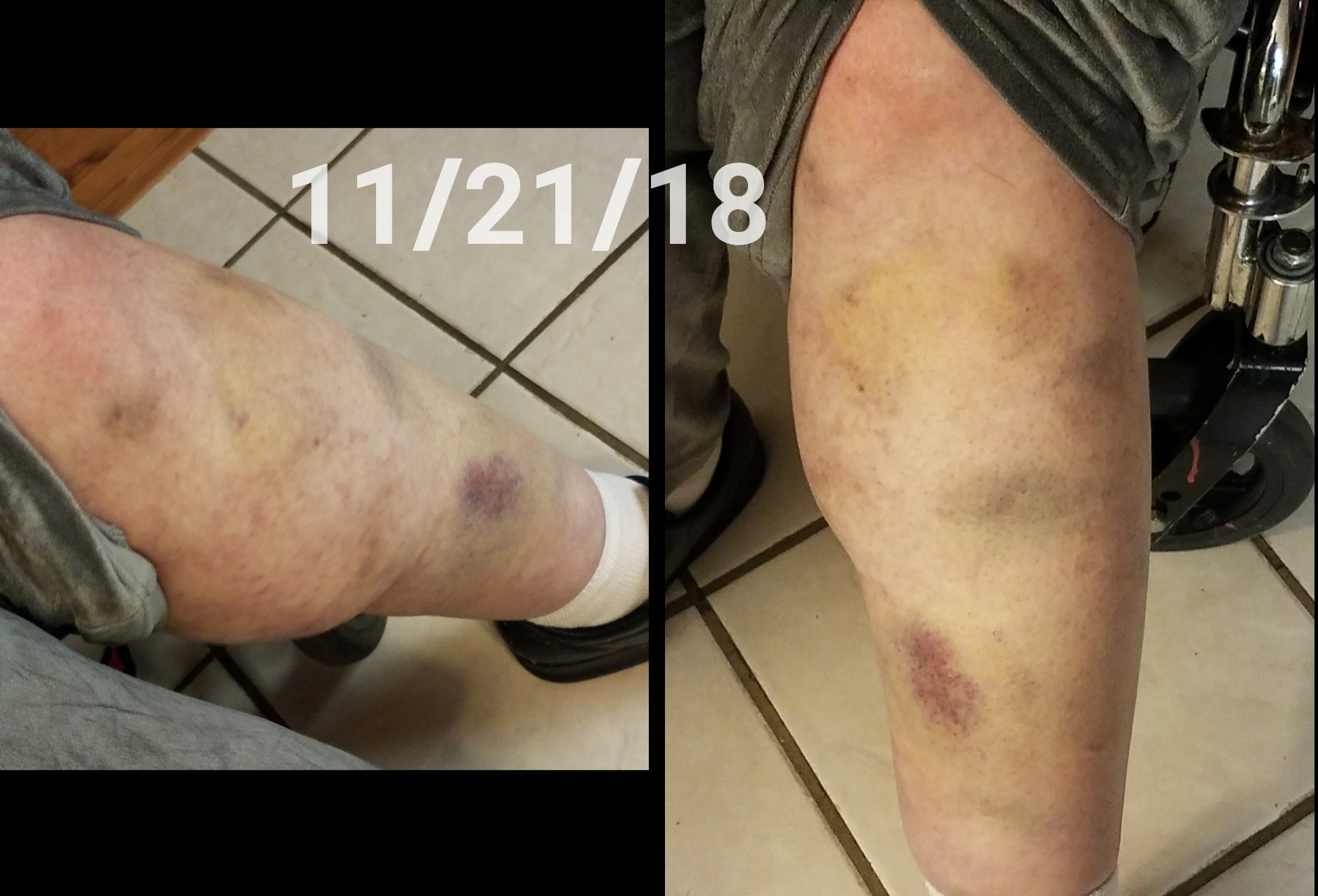
For thirteen long years, Connie lived in a cycle of hope and heartbreak as her mother moved in and out of nursing homes, each transition fueled by the belief that the next facility would offer better care, more compassion, and a greater sense of dignity. Her mother had battled epileptic seizures since childhood and was diagnosed with dementia in 2009, a combination that made her increasingly vulnerable and dependent on others for even the most basic needs. In 2012, determined to provide more attentive care, Connie relocated her mother from Dallas, Texas back to Monroe, Louisiana and tried to manage everything on her own. Caring for someone with complex medical conditions is emotionally and physically demanding under any circumstances, but attempting to do so while living on a fixed income proved overwhelming. Connie quickly realized that love alone could not compensate for the round-the-clock medical supervision her mother required. In 2013, with a heavy heart, she made what she believed was the safest decision available and placed her mother in Ouachita Healthcare and Rehab. She did not expect perfection—only professionalism, cleanliness, and humane treatment. Instead, she began noticing troubling patterns: piles of dirty laundry left unwashed, meal trays and dishes sitting unattended, bed sheets and clothing not being changed regularly. There were repeated instances where her mother was not changed in a timely manner, and on one painful visit Connie found her soaked through her clothes, a humiliating and preventable situation. She raised concerns with staff members, then escalated them to the administrator, the Director of Nursing, and the Assistant Director of Nursing. When her complaints failed to bring lasting change, she contacted the Ombudsman, hoping outside oversight would correct the issues. For a short while, conditions seemed to improve, giving Connie enough reassurance to return to Dallas. But during a subsequent visit, she discovered a coffee cup filled with molded coffee sitting untouched on a bookshelf, dirty diapers mixed in with her mother’s clothing, and even a soiled diaper placed on the bathroom sink—items her wheelchair-bound mother could not possibly have left there herself. Connie felt anger and disbelief; her mother was entirely dependent on assistance to stand or move, yet no one could explain the neglect. Frustrated and desperate to spark accountability, she threatened to go public about the treatment her mother was receiving. In November 2018, Connie returned to Monroe for Thanksgiving and temporarily took her mother home for the holiday. A week before that visit, a nurse had called to mention a bruise on her mother’s left leg. When Connie examined her closely, she was horrified to find multiple bruises—some old, some new—covering her leg. The explanations she received were vague and inconsistent, ranging from speculation about blood-thinning medication to uncertain “maybes,” even though her mother was unable to rise from her wheelchair without help. Instead of reassurance, Connie was met with defensiveness. After continuing to question the hygiene issues and unexplained injuries, a family member cautioned her to stop pressing so hard, warning that complaining might lead to worse consequences. That warning weighed heavily on her, but she refused to ignore what she had seen. On December 17, 2018, she made the life-altering decision to move back to Monroe permanently and bring her mother home once again. Just six days later, on December 23, her mother suffered a seizure and was hospitalized. During her hospital stay, doctors expressed concern over the sheer number of medications she had been prescribed. They questioned why she was on so many drugs simultaneously and whether some of them conflicted with each other. It became clear that she had been heavily over-medicated, which explained the excessive sleeping and diminished responsiveness Connie had observed. The hospital team spent eight days carefully clearing the medications from her system and stabilizing her condition. Connie’s advocacy was not born solely from her personal experience as a daughter but also from her own time working nearly two years as a patient driver at a nursing home in Mesquite, Texas, where she witnessed firsthand how some residents were treated. Over the years, she educated herself and began sharing practical advice with other families facing similar situations. She urges families to request a complete medication list at least once a month and verify that it matches what their loved one is actually receiving. She emphasizes the importance of understanding each medication—encouraging people to research unfamiliar drugs, consult pharmacists, and ask direct questions. She advises visiting frequently and unpredictably, including weekends, so staff cannot anticipate inspections. She recommends researching facilities thoroughly, reading reviews, and even checking courthouse records to see whether a nursing home has faced lawsuits or settlements, noting that many cases are settled quietly and sometimes include gag orders. Above all, she stresses documentation—photographs, videos, copies of signed agreements, and detailed notes with date and time stamps—because without evidence, families often find themselves alone against a unified administration. She reminds people that in many states, individuals are legally permitted to record conversations when they are a party to them, an important tool for accountability. Connie is careful to clarify that not every nursing home employee is neglectful; she has encountered compassionate caregivers who truly serve with integrity. However, she believes systemic problems must be confronted openly. For years, fear kept her silent—fear that speaking out would result in retaliation toward her mother. That fear ended on April 15, 2020, when her mother passed away. Though grief remains, Connie now feels free to share her story without worrying that her advocacy will bring harm to the person she fought so tirelessly to protect. Her journey is one of persistence, courage, and painful lessons learned about trust, accountability, and the responsibility families must shoulder when institutions fall short. Through heartbreak and determination, Connie transformed personal anguish into a call for awareness, urging others to remain vigilant, informed, and unafraid to demand the dignity and respect their loved ones deserve.
What They Don’t Want You To Know
Share.